Column · @embroideryserviceslosdaily
Why Embroidery Services Los Angeles Businesses Trust for Custom Apparel
When you think about custom apparel, screen printing probably comes to mind first. It is fast, bold, and works great for large runs of simple designs. But there is another technique that solves problems screen printing cannot touch: embroidery. For anyone who has ever tried to put a logo on a polo shirt or a baseball cap, you already know that thread holds up better than ink. That is where embroidery services Los Angeles businesses turn when they need something that feels premium and lasts through years of wear.
I have worked in the custom apparel space for over a decade, and I still see people make the same mistake. They assume embroidery is just for corporate uniforms or golf outings. In reality, it fits a much wider range of uses. Think about workwear for construction crews, aprons for a local coffee shop, or even patches for a youth sports league. These items get washed hard, rubbed against tools, and exposed to sun. Screen print on a heavy canvas apron will crack inside six months. Embroidery will still look clean after two years. embroidery services Los Angeles Custom Shirt Printing
What Makes Embroidery Different from Screen Printing
Screen printing pushes ink through a mesh stencil onto fabric. It lays a thin layer of color on top of the material. That is fine for cotton tees and short-term use, but the ink sits on the surface. Embroidery, on the other hand, stitches thread directly into the fabric. The design becomes part of the garment. That means no peeling, no cracking, and no fading the way ink fades after repeated washing.
There is a trade-off, though. Embroidery takes longer to set up because each design needs to be digitized into a stitch file. That digitizing process is a skill in itself. A good digitizer knows how to adjust stitch angles, density, and underlay so the design does not pucker or distort on different fabrics. A bad digitizer can ruin a perfectly good jacket by making the thread too tight or too loose. That is why working with a shop that handles embroidery in-house matters more than people realize.
When to Choose Embroidery Over Print
I tell clients to think about three things: fabric type, garment use, and design complexity. If the item is a structured hat, a fleece jacket, or a button-down shirt, embroidery almost always wins. If the design has very fine text under half an inch tall, screen printing might be better because tiny letters in thread can blur. For logos with lots of small details, a skilled digitizer can still make it work, but it costs more in setup time.
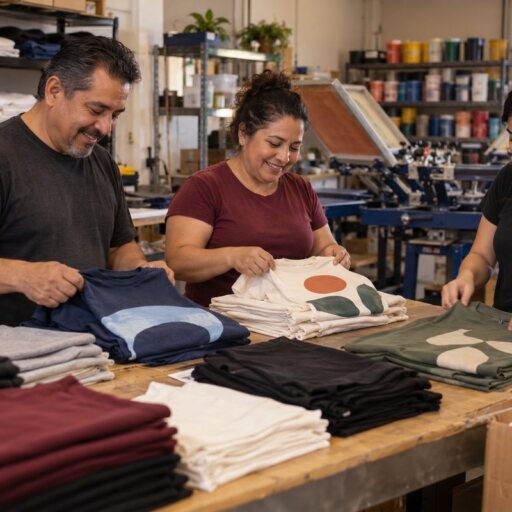
Another factor is the look you want. Embroidery gives a raised, textured appearance that feels more formal. Screen printing sits flat and can feel more casual. If you are ordering uniforms for a restaurant where staff interact with customers face to face, embroidery on a polo shirt conveys professionalism. If you are making shirts for a weekend fun run, screen printing is probably the right call.
How the Process Works in a Real Shop
When you walk into a family-owned print shop in Los Angeles offering custom t-shirts, screen printing, DTF transfers, and embroidery services with free design help and in-house production, the embroidery process starts with your artwork. You send a vector file, a high-resolution PNG, or even a sketch. The team digitizes it, turning every shape into a series of stitch commands. That file gets loaded onto a multi-head embroidery machine. Each head holds a different color thread, and the machine sews the design onto the garment one color at a time.
A common misconception is that embroidery machines run themselves. They do not. An operator has to monitor tension, thread breaks, and hoop alignment. If the fabric shifts even a millimeter, the whole design comes out crooked. Good shops check every piece before it comes off the machine. That kind of attention is harder to find than people think, especially when you order online from a print-on-demand service that never touches your garment.
Common Applications for Embroidery in Los Angeles
Los Angeles has a mix of industries that lean heavily on embroidery. Entertainment companies order branded hats and jackets for film crews. Construction firms need hard hats with embroidered panels and work shirts with company names. Medical offices order lab coats with stitched logos. Schools and clubs order letterman jackets and spirit wear. Each of these applications benefits from the durability of embroidery, and each requires a different approach to digitizing and stitching.
For example, a thick work shirt made of canvas or denim needs a looser stitch density so the needle can penetrate without breaking. A lightweight polo shirt needs a tighter underlay to prevent the fabric from puckering. A shop that does not adjust for these differences will produce inconsistent results. That is why embroidery services Los Angeles Custom Shirt Printing delivers a reliable outcome for clients who need consistency across dozens or hundreds of pieces.
One thing I always recommend is ordering a sample piece before running a full batch. Even if the digitizing looks perfect on screen, the thread might behave differently on the actual fabric. A sample lets you check color matching, stitch quality, and placement. Most reputable shops will credit the sample cost toward your full order. If a shop refuses to run a sample, that is a red flag.

Cost and Turnaround Expectations
Embroidery pricing breaks down into three parts: the digitizing fee, the per-stitch cost, and the garment itself. Digitizing usually runs between $25 and $75 depending on complexity. Per-stitch cost is small, but a dense design with 10,000 stitches adds up faster than a simple logo with 3,000 stitches. Most shops give a flat rate per piece after a certain quantity, usually 24 or 48 pieces. Smaller runs cost more per item because the setup time is the same regardless of order size.
Turnaround for embroidery is slower than screen printing. A screen printing job can go from art to finished shirt in three days if everything lines up. Embroidery takes closer to a week because digitizing adds a day and the machines run slower than a screen printing press. Plan ahead if you need embroidered items for an event. Rush orders are possible but add a premium.
Why Local Production Matters
I have seen too many businesses order embroidered merchandise from overseas or from a middleman who subcontracts the work. The problem is quality control. When something goes wrong, you have no way to fix it quickly. A local shop with in-house production can adjust a design on the fly, rehoop a garment that came out crooked, or add a last-minute order to the production schedule. That flexibility is worth paying a little more per piece.
Another advantage of working local is the ability to see the digitized design before it goes to the machine. A good shop will show you a digital mockup of how the stitches will look. Some will even sew a sample on a scrap piece of fabric so you can feel the texture. That level of involvement is hard to get from an out-of-state vendor.
For businesses in Los Angeles, the combination of local oversight and hands-on service makes a real difference. That is why embroidery services Los Angeles Custom Shirt Printing continues to be a go-to choice for companies that want their brand to look good and stay that way.
Tips for Getting the Best Results
First, keep your design simple. Small text, thin lines, and tight curves do not translate well into thread. A logo that works on a business card might need to be simplified for embroidery. Second, choose the right garment. A cheap T-shirt with a loose weave will pucker under embroidery. A mid-weight cotton or poly-cotton blend with a tight weave gives the cleanest result. Third, communicate your placement clearly. Left chest, center back, sleeve, or hat crown each require different hoop sizes and digitizing approaches.
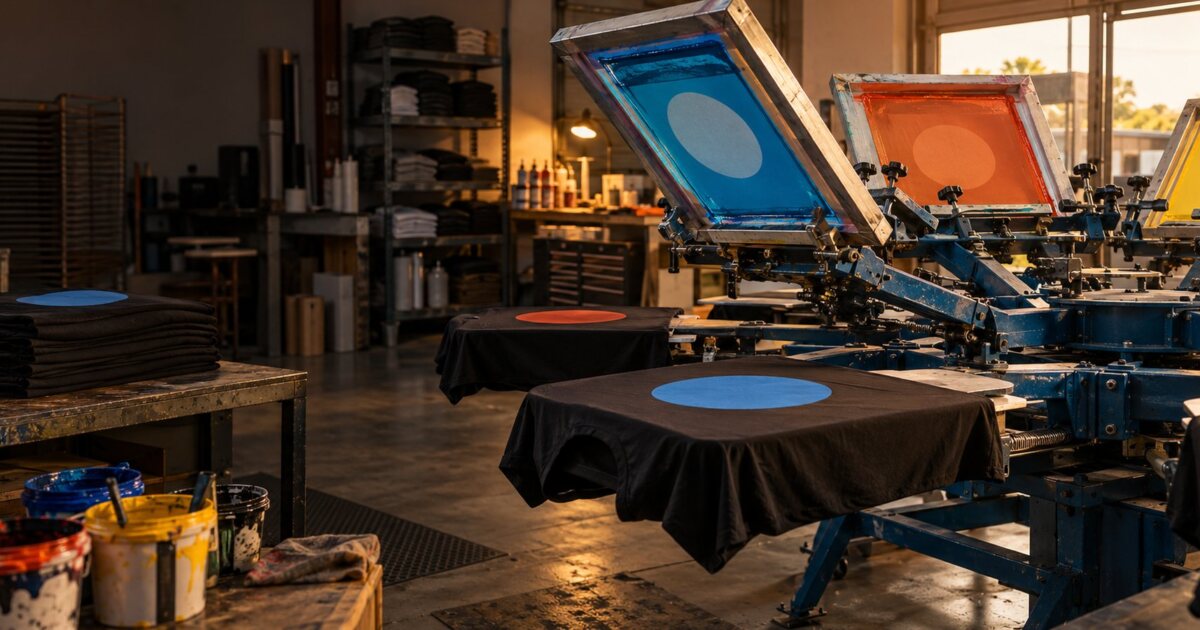
If you are ordering for a team or a department, get exact sizes from everyone before placing the order. Adding one extra shirt later can delay the whole run because the digitizing setup has to be reloaded. Better to order a few extras upfront than to chase replacements.
Finally, trust your shop. A good embroidery operator has seen hundreds of designs and knows what works. If they suggest simplifying a detail or changing a thread color, listen. They are not being difficult; they are saving you from a bad result. When you work with embroidery services Los Angeles Custom Shirt Printing, you get that kind of guidance built into the process.
Embroidery is not the right choice for every project, but when it fits, nothing else holds up as well. The key is knowing when to use it and working with a shop that does it right. For anyone in Los Angeles looking to add custom embroidered apparel to their lineup, understanding these basics will save time, money, and frustration.
 Facebook
 Instagram